
In Victoria’s most charming established neighborhoods—think Oak Bay, Fairfield, and Saanich—the history of a home isn't just found in its heritage crown molding. Sometimes, it’s found six feet underground. If you are buying or selling a home built between the 1920s and the late 1960s, the "Underground Oil Tank" (UST) is a topic that will inevitably surface. Here is everything you need to know about why they are there, why they matter now, and how we handle them.
A Brief History: Why Are They There?
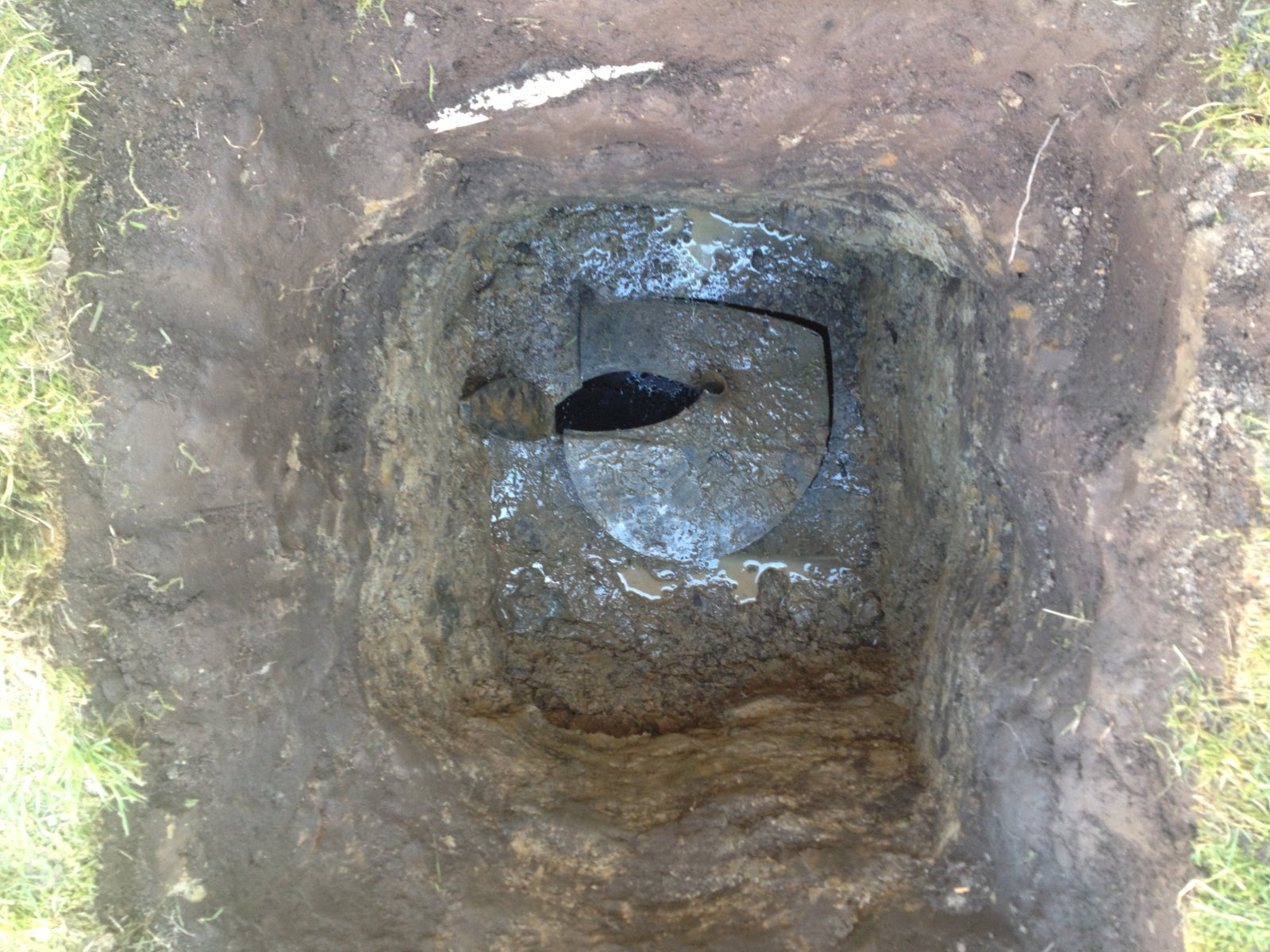
Post-WWI, Victoria saw a massive shift from coal to heating oil. It was cleaner and more efficient. For aesthetic reasons, homeowners often chose to bury their storage tanks in the yard rather than having a large steel eyesore in the basement or alongside the house. By the 1970s, natural gas and electricity began to dominate, and many of these tanks were simply abandoned. They were topped off with sand, capped, or—more often than not—simply forgotten as gardens grew over them.The Risk: Why "Out of Sight" Is No Longer "Out of Mind"
While a tank might have sat quietly for 60 years, time is not a friend to buried steel.- Environmental Liability: A single leak can contaminate the soil and groundwater.
- The Insurance Wall: This is the primary "deal killer" in modern real estate. Almost all major Canadian insurers and mortgage lenders now refuse to provide coverage for a property with an underground tank—even if it was "decommissioned" with sand decades ago. They want them physically removed and the soil tested.
Our Proactive "Three-Pillar" Investigation
At The Vibe Collective, we believe in making the unknown, known before a "Sold" sign ever hits the lawn. We follow a specific protocol to protect our clients:1. The Paper Trail (Municipal Records) We start with the City. We pull records to see if there is any history of oil burner permits, prior removals, or remediation certificates. While municipal records can be spotty, they are the first piece of the puzzle.
2. The Physical Sweep (Electronic Detection) We coordinate with local specialists like Rick from Victoria Tank. Using specialized metal detectors, they "sweep" the perimeter of the home. It’s an effective, low-impact way to find traditional steel tanks.
3. The High-Tech Backup (Ground Penetrating Radar) If a yard is cluttered with debris, reinforced concrete, or heavy brush, a standard sweep might be inconclusive. In these cases, we recommend Ground Penetrating Radar (GPR). It’s a more sophisticated (and paid) service that can "see" through obstacles that stop a metal detector in its tracks.
Dealing Proactively
Discovering a tank isn't the end of the world—it’s an opportunity to deal with a problem on your own terms. Removing a tank before listing ensures that a buyer’s home insurance is approved instantly and prevents a stressful, last-minute negotiation during the subject removal period.Are you curious about the history of your own property? Whether you’re planning to sell this year or just want peace of mind, we can help coordinate a professional scan for you.